
Parent FAQ's
Students will work towards the International Baccalaureate Diploma Programme: a globally respected qualification combining six academic subjects with Theory of Knowledge, the Extended Essay and Creativity, Activity, Service.
A levels offer in-depth specialisation within a small number of separate subjects and are largely assessed through terminal examinations. IB learning is connected and inquiry-led: students question ideas, consider different perspectives, undertake independent research and apply their knowledge in unfamiliar and real-world contexts. They still gain depth through three Higher Level subjects while continuing across languages, humanities, sciences and mathematics, so they do not have to narrow their world so dramatically at 16.
The difference is also in how students learn. The IB is inquiry-led, connected and grounded in significant real-world questions: students examine ideas from different perspectives, make connections across disciplines and apply their knowledge in complex contexts. Theory of Knowledge, independent research and Creativity, Activity, Service ensure that learning is not confined to remembering content for an examination, but prepares students for university, work and life beyond school.
The IB Diploma is recognised and highly regarded by leading universities throughout the UK and worldwide. Universities value its academic rigour, breadth, independent research and critical thinking, and make offers using overall Diploma points and Higher Level subject requirements.
The IB is demanding because students balance six subjects with its distinctive core. However, they are taught in very small classes and supported closely with organisation, research, study habits and workload management, so challenge is accompanied by careful guidance.
No. Students can join Liberty Sixth Form from GCSEs, the IB Middle Years Programme or another educational background. We will help them understand the Diploma’s structure, expectations and approach to learning.
Our planned subjects include English, Spanish, Business Management, Geography, Psychology, Philosophy, Biology, Chemistry, Physics, Environmental Systems and Societies, Mathematics and Visual Arts. Final combinations will depend on student choices, and we will work with each student to create an appropriate programme.
Students will generally need at least a grade 4 in subjects they wish to continue, with a grade 5 or above normally expected for Higher Level study. Decisions will be individual, considering each student’s strengths, ambitions and readiness for the Diploma.
Assessment includes final examinations alongside internally assessed work, practical investigations, oral tasks and extended research. The precise balance varies between subjects, giving students several ways to demonstrate their knowledge and understanding.
Students attend from 10am–6pm, Monday to Thursday. This model is informed by research into adolescent sleep and development and creates four purposeful days with space for rigorous study, movement, collaboration, mentoring and wider experiences.
Most Fridays are used for guided independent study at home, supported by an online pastoral check-in. At key points during the year, students take part in Challenge Fridays involving expeditions, physical challenges and experiences beyond the classroom.
Students will be treated as emerging adults and trusted with increasing independence. That freedom sits alongside high expectations: they will be expected to manage their time, meet commitments, contribute to the community and ask for support when they need it.
Liberty Sixth Form will have approximately 40 students across Years 12 and 13, with around 20 in each year group. Most classes will contain no more than eight students, enabling rich discussion, strong relationships and exceptional individual attention.
Small classes and close relationships make it much harder for a student to become lost or unnoticed. Regular mentoring will help us recognise difficulties early and provide responsive academic or pastoral support in partnership with the student and their family.
Wellbeing is not treated as separate from learning. A later start, close relationships, movement, time outdoors, mentoring and a manageable community help students feel connected and supported while learning to understand and care for their own wellbeing.
Every student will receive individual guidance shaped around their strengths, interests and ambitions. We will support applications to universities in the UK and overseas while also exploring apprenticeships, employment and other purposeful pathways.
That is completely normal at 16 – and one reason we believe young people should not narrow their education too soon. Through mentoring, varied experiences and careful guidance, we help students understand who they are, what fulfils them and what they might want from their lives.
The full IB Diploma will be Liberty’s principal Sixth Form pathway. An individual IB Course route may be considered exceptionally where it is clearly more appropriate for a particular student.
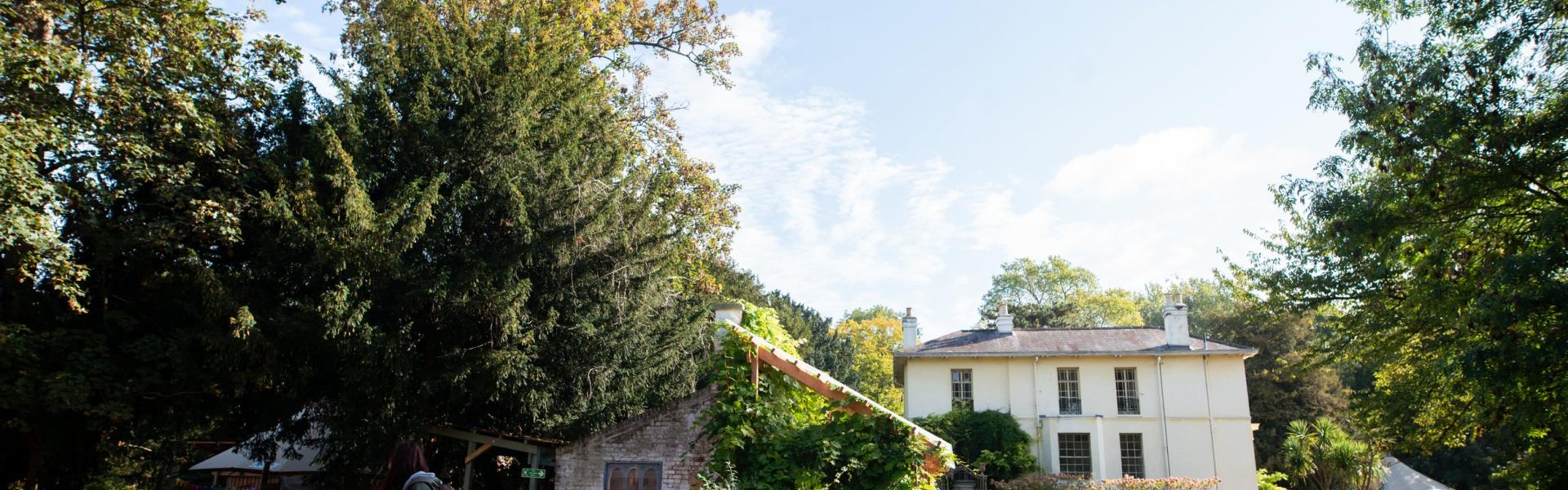
The Sixth Form will be based at Morden Cottage in Morden Hall Park, approximately five minutes’ walk from Liberty’s existing school sites. Students will have dedicated classrooms, science and study spaces, a wellbeing garden, a common room, gym and assembly hall.
The process begins with an application and an initial conversation, followed by a guidance meeting exploring the student’s interests, academic profile and possible IB subjects. Successful applicants will receive a conditional offer and be invited to experience Sixth Form life before joining.
Academic scholarships and means-tested bursaries will be available. Further information about eligibility, applications and assessment can be found within our Sixth Form fees and admissions information.
Liberty Sixth Form is planned to open in September 2027 for its first Year 12 cohort. Applications are now open.
Student FAQs
The IB is demanding because students balance six subjects with its distinctive core. However, they are taught within very small classes and supported closely with organisation, research, study habits and workload management, so challenge is accompanied by guidance.
That is completely normal at 16, and one reason we believe young people should not narrow their education too soon. Through mentoring, new experiences and individual guidance, we help students understand their strengths, interests and what might genuinely fulfil them.
We will help you choose Higher and Standard Level subjects that support your intended pathway and check relevant university requirements carefully. Your programme will maintain the breadth of the IB while giving appropriate depth to your strongest and most relevant subjects.
Days will combine small-group teaching, discussion, practical and applied learning, independent study, mentoring, movement and time with the wider Sixth Form community. The longer day gives learning room to breathe rather than dividing it into a relentless sequence of short lessons.
With approximately 20 students in each year, there will be time to build genuine relationships, and every student will be known well by both their teachers and peers. The beginning of every academic year dedicates specific time to relationship and community building.
Students will be treated as emerging adults and trusted with increasing independence. That freedom sits alongside high expectations: they will be expected to manage their time, meet commitments, contribute to the community and ask for support when they need it.
Small classes and close relationships make it much harder for a student to become lost or unnoticed. Academic and pastoral support will be responsive and personal, with regular mentoring helping us recognise difficulties early and work with the student and their family.
Wellbeing is not treated as separate from learning. A later start, close relationships, movement, time outdoors, mentoring and a manageable community all help students feel connected and supported, while developing the skills to understand and care for their own wellbeing.
No. Students will apply their learning through real questions, practical contexts, collaboration and experiences beyond the school site. Challenge Fridays will also take students into unfamiliar environments where resilience, judgement and teamwork are developed through experience.
Assessment includes final examinations alongside internally assessed work, practical investigations, oral tasks and extended research. The precise balance varies by subject, giving students more than one way to demonstrate their knowledge and understanding.
Yes. University will be one possible destination, not the assumed definition of success. Students will receive guidance that takes their individual interests and ambitions seriously, whether these lead towards university, an apprenticeship, employment or another purposeful pathway.
The full IB Diploma will be Liberty’s principal Sixth Form pathway. An individual IB Course route may be considered where it is clearly more appropriate for a particular student.