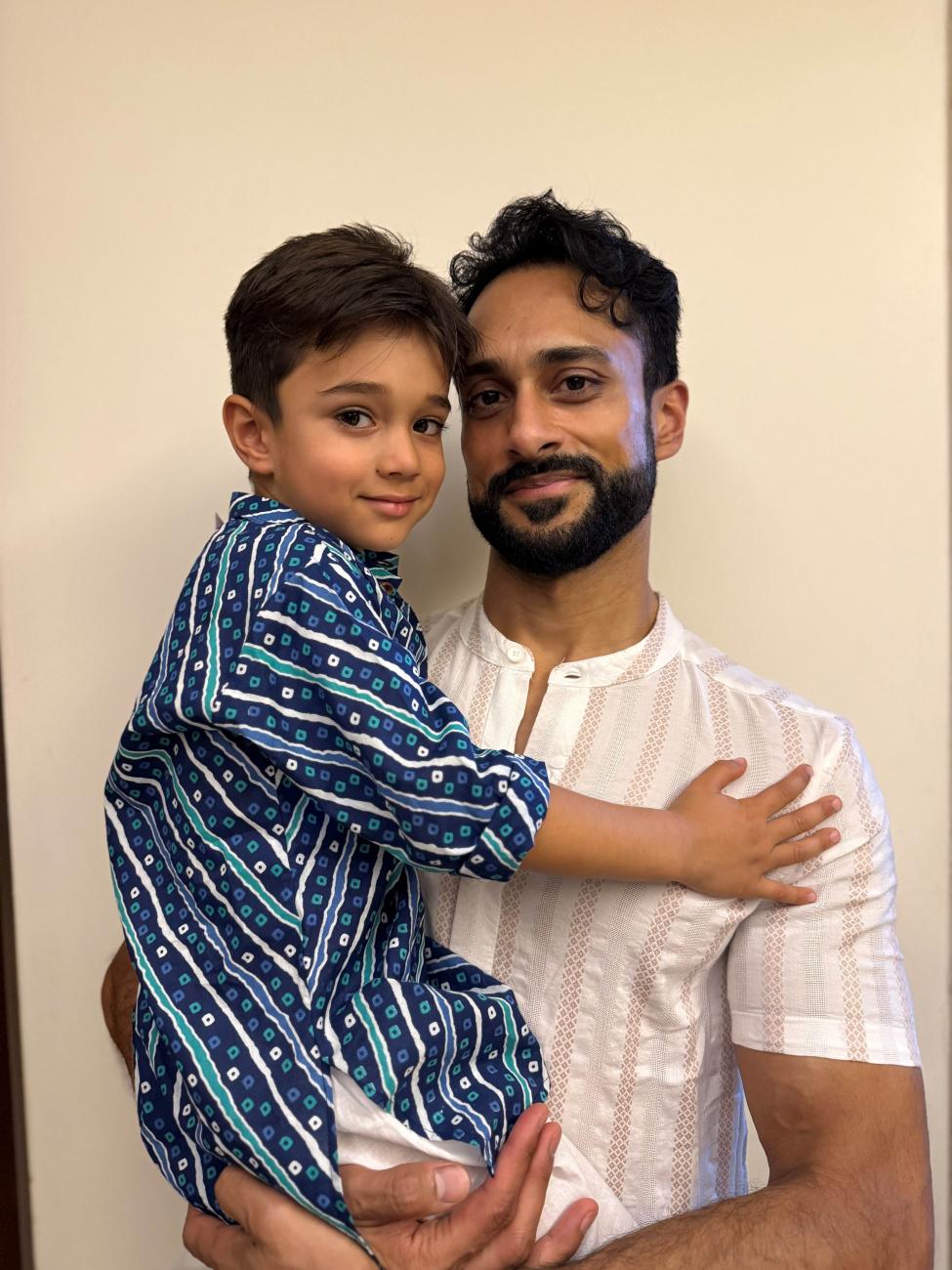
A GP with a speciality in paediatrics says mainstream school was never an option for his son and believes many parents lack the information to question whether conventional classrooms give children the best start.
Dr Ravi Tomar, 37, a GP partner at an NHS practice and father of three, argues that education should prepare children to solve problems, build healthy habits and handle disappointment, rather than focus so heavily on passing exams.
“I think the big issue for parents these days is not knowing,” he said. “They just don’t know the harms or the risks of the educational system in the UK.”
His experience as a GP with a speciality in paediatrics has shaped what he looks for in a school - opportunities to move, spend time outdoors, think independently and develop relationships beyond screens.
“I just don’t think the general population has that fortunate advantage,” he said.
Ravi believes parents can understandably take reassurance from an “outstanding” Ofsted rating without asking what more a school could offer.
“That means they’re safe and secure and there’s no kind of overt harm being done but that doesn’t mean they’re getting the full benefit of what could be possible for them.”
For him, safety should be the starting point.
“You don’t want it to just be safe and secure. You want it to be safe, secure, and highly beneficial to them,” he said.
Ravi’s biggest concerns centre on what children carry into adult life - their health, their ability to solve problems and how confidently they interact with the world.
He believes schools should give greater priority to eating habits, exercise and emotional wellbeing during the years when children are establishing routines for the future.
Ravi also highlights daylight and daily routines as important considerations in children’s sleep. He believes opportunities to spend time outside and experience the natural rhythm of day and night deserve more attention when parents assess a school.
“We know that children who are more exposed to the natural environment - sunlight, daylight, dark, night, that pattern - sleep better,” he said.
In England, 30% of adults were living with obesity in 2024, according to the Health Survey for England. Ravi argues that helping children build healthier habits early could benefit them long after they leave school.
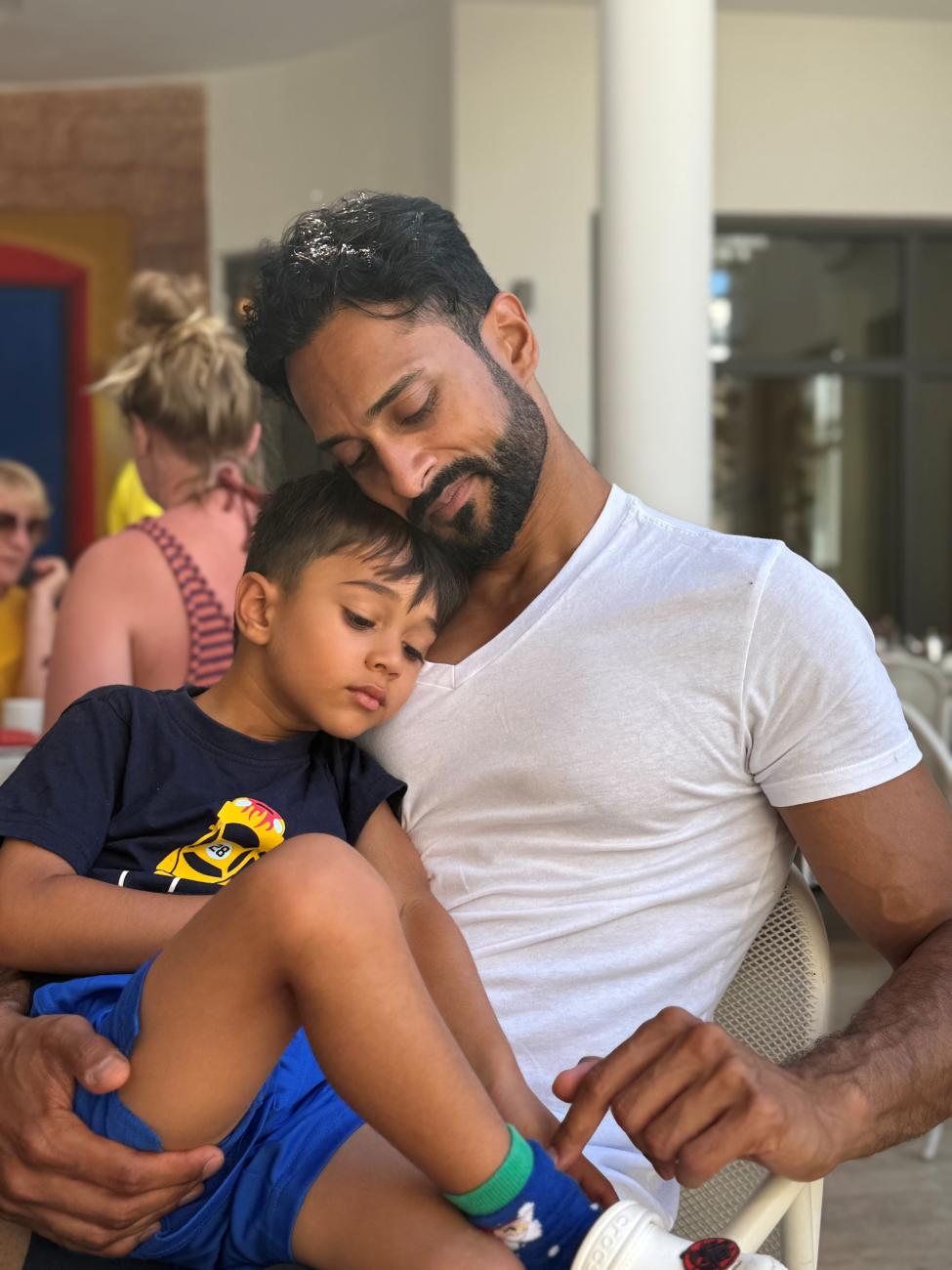
He also questions whether children have enough opportunities to develop interests, spend time outdoors and build relationships face to face, and whether an emphasis on memorising information for exams prepares them to tackle unfamiliar problems.
For him, education should help children learn to look after themselves, connect with others and think independently.
That thinking led Ravi and his wife to choose Liberty Woodland School for their eldest son, who joined in Reception and is now in Year One.
In researching schools, Ravi found himself drawn to different strengths in different approaches.
Forest schools appealed for their outdoor activity and contact with nature. Montessori interested him for its emphasis on independence and problem solving.
He was also interested in schools that actively teach children how to handle competition, arguing that it is something they will encounter throughout adult life.
“It’s you versus someone else for a job, you versus someone else for a promotion,” he said.
For Ravi, preparing children for that reality means helping them develop the confidence to put themselves forward and the resilience to cope when someone else succeeds.
He wanted those elements brought together, without any one philosophy being taken too far. He felt Liberty came closest.
“They are a softened edge approach of all of those kinds of things together,” he said.
Children spend much of their time outside, but have heated yurts to return to. Ravi values their opportunities to explore interests, learn through projects and put ideas into practice.
For him, the test is whether children can use what they learn when faced with something unfamiliar. He questions an education built around remembering information for an assessment.
“If you don’t teach them how to solve problems now, when are they going to learn to solve problems?” he said.
At home, he has watched his son take that initiative.
After seeing building work on the family’s house, his son decided one of his toys needed a house too. He collected scraps of wood, asked his dad to buy glue and built it.
“That’s a five year old solving a problem,” Ravi said. “He wanted a house for his toy.”
His son had worked out what he needed, asked for help and turned an idea into something real.
Ravi is equally direct about competition. Children need support, he believes, but they also need to learn that taking part does not guarantee a reward.
“I don’t believe in the whole kind of participation medal,” he said.
“When you are 19, 20, 21 and you’re applying for a job, you don’t just get the job because you participated. You have to unfortunately beat some other people competing for that same job.”
He wants children to develop both the confidence to compete and the ability to cope when they lose.
“You have to accept the losses,” he said.
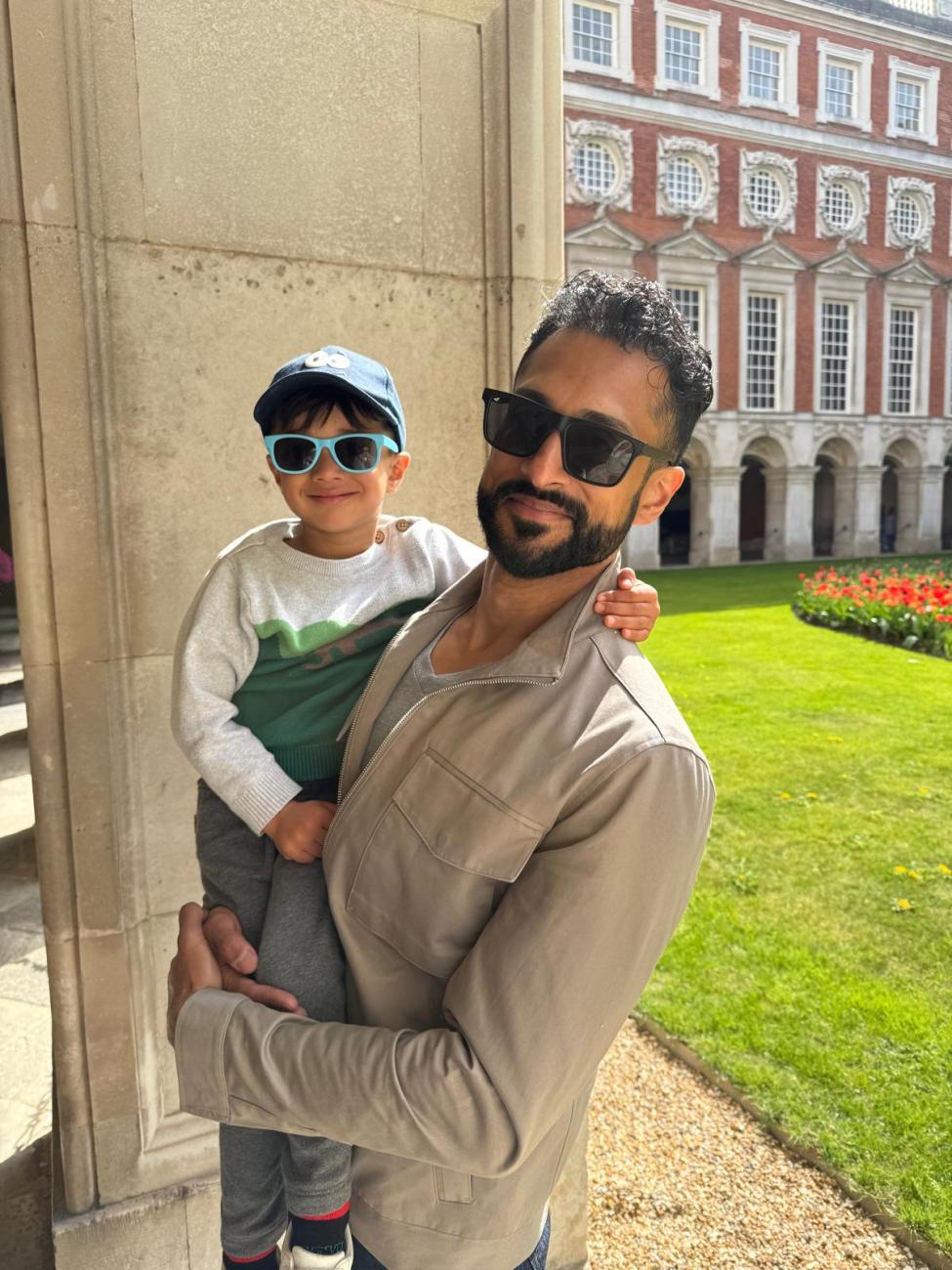
His concerns about mainstream schooling also extend to class sizes and the pressure on teachers to keep large groups of young children occupied.
“I think class size is an issue because five year olds are really hard to manage,” he said.
He worries that screens can become a way of managing that pressure. But while he and his wife take a firm approach to their children’s screen use, his position is more nuanced than a blanket ban.
“I’m not anti screens entirely,” he said.
Ravi uses several screens at work. He believes children need to learn to use technology too, but with a clear purpose and limits.
“Not teaching them how to use screens actually is also doing a disservice because in the real world they are useful tools,” he said.
He draws a distinction between watching a video to memorise its contents and tackling a practical problem, using a screen to help analyse it, then putting the device away.
“That’s the way to do it. Not to ban it completely, but to use it appropriately.”
That balance is something he values at Liberty. He also wants children to have interests that take them outdoors and bring them into face to face conversations.
Even uniform, for Ravi, raises a question about how much independence children are allowed.
“Children can only express themselves in limited ways because of the restrictions of their age,” he said.
Choosing clothes is one opportunity to make a decision for themselves. Ravi’s son, currently fascinated by football, often wants to wear his kit whatever the weather. Ravi sees learning when fetching a jacket or adding layers becomes part of being more independent.
He also recalls a classmate arriving in clothes they had made themselves, an expression of creativity the school welcomed.
Ravi is clear that choosing a fee paying school involves a significant financial commitment, and acknowledges that fees are difficult for families to afford.
“It is an expensive thing to deliver all those things,” he said. “That does take a lot of investment financially.”
But his wider argument is about how investment in education is measured. He believes the benefits of helping children develop healthy habits, confidence and practical skills should be considered over a lifetime.
“You’re saving the NHS in the future. You’re saving mental health services in the future,” he said.
“That’s what you’re doing by investing it now.”